PRO and standard zSecurity RF privacy detectors — LKR prices, false-positive discipline, authorised sweep scenarios, and ALFA Network LK KYC notes.
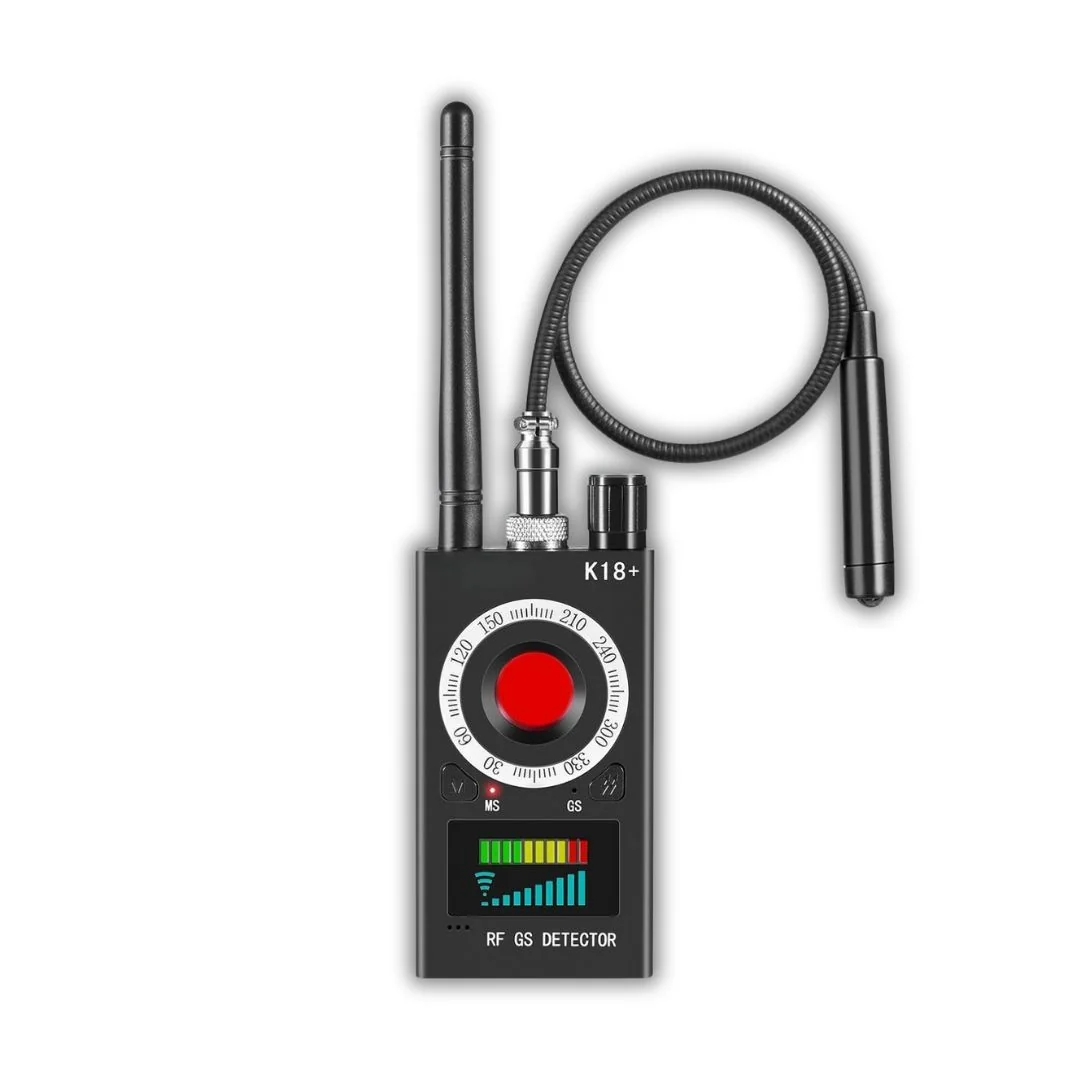
Product photo: zSecurity
Privacy sweeps are a method, not a gadget party
RF detectors are easy to misuse as theatre. Wave a box, hear a beep, declare a room "clean." That is how programmes lose credibility. ALFA Network LK lists two zSecurity detectors for authorised awareness and physical-security modules — with prices, limits, and paperwork — not as magic talismans.
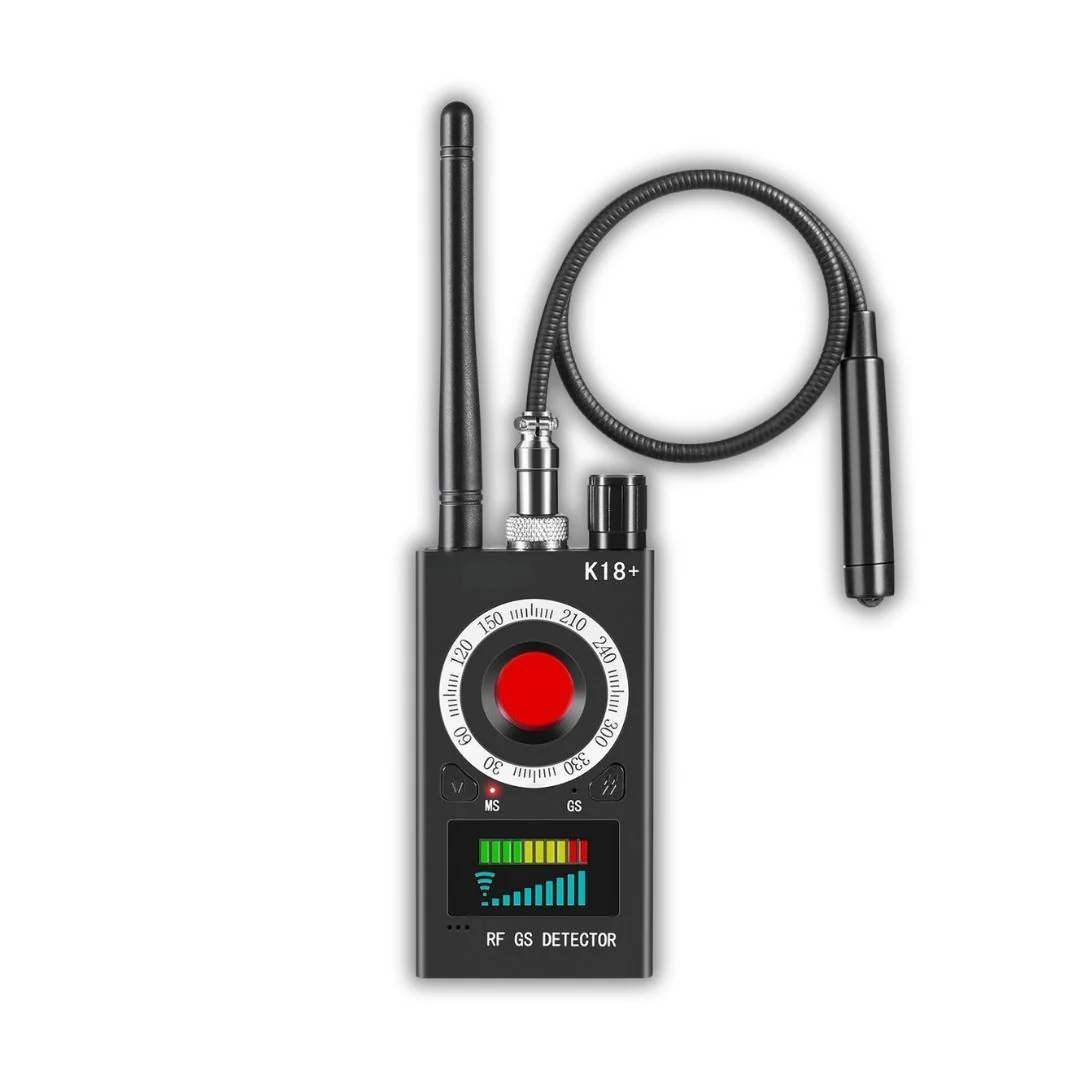
- zSecurity Hidden Spyware Detector PRO — LKR 36,500
- zSecurity Spyware Detector (standard) — LKR 33,500
Older short ask-sourcing posts remain online. This guide is the 2026 catalogue companion with local pricing and teaching notes.
Picture this: a travel-security module with consent
Picture this: a corporate security team in Rajagiriya runs a travel-hygiene module for staff who book their own hotels. They rent a training room, plant three benign training beacons and one inert camera shell, and ask pairs to sweep with a written checklist. Nobody sweeps a real executive suite. Nobody livestreams. Findings go into a template that forces "possible / confirmed / false positive" language.
What the PRO unit claims
Per zSecurity, the Hidden Spyware Detector PRO covers a wide RF span (about 1–8000 MHz class), magnetic GPS-tracker hunting, infrared lens finding, vibration or audible alerts, adjustable sensitivity, and roughly 8–10 hours of continuous use from a 1000 mAh cell in a pocketable 117 × 56 × 20 mm body. Those are vendor facts to verify on arrival — calibrate expectations around furniture, foil, noisy offices, and the Bluetooth watch on your own wrist.
What the standard detector is for
The standard Spyware Detector is the simpler wand: RF-oriented detection of cameras, bugs, and wireless signals with adjustable sensitivity and LED/sound/vibration feedback. Choose it when the syllabus needs a first detector without PRO extras. Upgrade to PRO when magnetic and IR lens modes are explicit learning outcomes. Do not invent features on the standard model just because the PRO brochure is open on another tab.
Honesty beats marketing
Detectors produce signals, not courtroom certainty. Thick walls, legitimate Wi-Fi, Bluetooth wearables, and motion sensors all create noise. Your lab must teach false positives, distance limits, and documentation. Never write "room is free of all surveillance" after a five-minute sweep. Write what you scanned, with what mode, for how long, and what you found. Include environmental notes: "conference phone active," "guest Wi-Fi AP under table," "metal cabinet along north wall."
Authorised scenarios that stay adult
- Meeting-room awareness — planted training devices only.
- Vehicle exterior magnetic demo — company training car, signed brief.
- Hotel-kit rehearsal — staged room at the training centre, not a surprise raid on someone’s Airbnb.
- Facilities escalation drill — who do you call when the detector screams next to a legitimate AP?
- Executive travel dry-run — packing list rehearsal with detector, covers, and a data blocker in one pouch.
For example: reporting language
For example, a good lab note says: "In IR lens mode, a reflection consistent with a camera lens was observed behind the wall clock prop. RF mode showed elevated activity near the planted 2.4 GHz beacon. No magnetic anomalies on the vehicle underbody during the timed sweep." Bad notes say: "Totally clean" or "Definitely bugged." Teach editors to strike absolute language before reports leave the room.
Programme design tips
Blind the room layout so students do not memorise plant locations from last term. Rotate plant positions between cohorts. Require photos with consent placards visible. Pair detectors with camera privacy covers so the defence chapter is tactile. Ban sweeping bathrooms and private bags — always. Time-box sweeps so the exercise does not become an endless beep hunt.
Calibration and instructor controls
Keep a known transmitter (lab beacon) and a known quiet corner. Students who cannot distinguish them need coaching before they touch client-facing work. Log battery health; a dying cell creates erratic sensitivity and unfair assessments. Store units in padded cases away from magnets that could confuse the magnetic mode story.
A note on dual-use and sales judgement
Privacy detectors help defenders and, in the wrong narrative, voyeurs. ALFA Network LK will ask what you are building: training outline, corporate physical-security SOP, or something vaguer. Bring a short use-case note when you WhatsApp. Clarity speeds KYC; vagueness slows it. We would rather lose a sketchy sale than ship into an undefined story.
Vendor shipping note vs local sale
zSecurity states some detector SKUs cannot ship to India. That is their logistics rule. ALFA Network LK sells locally under KYC. Still complete authorised-use declarations: privacy tools are dual-use in the wrong hands.
Pairing with other ALFA catalogue lines
Detectors sit beside USB hygiene accessories and implant demos carefully. A day that includes BadUSB, a honeypot story, and a privacy sweep can overwhelm juniors. Sequence modules so privacy work is not an afterthought bolted onto offence week. Cross-link the accessories guide for covers and data blockers that complete the travel kit.
Maintenance checklist
Charge after each cohort day. Inspect sensor windows for cracks. Verify alert modes before graded exams. Update the plant inventory sheet when props change. Retire units that drift wildly compared with the instructor reference detector. Keep button-map printouts in the case lid if your model uses multi-mode sequences students forget under pressure.
Closing thought
A detector is a flashlight, not a verdict. Programmes that teach humility around false positives produce better defenders than programmes that chase dramatic beeps. Buy the PRO when the syllabus needs magnetic and IR modes; buy the standard wand when RF awareness is enough; write the method before you wave the wand.
FAQ
Will this find every hidden camera?
No. Optical and powered-off devices can evade RF. Teach layered methods including physical inspection.
PRO or standard for a first class?
Standard for RF awareness; PRO when magnetic/IR modes are required.
Can we use it on client sites tomorrow?
Only with written authorisation and a methodology section in the SOW.
Is the older detector blog post wrong?
It is a shorter ask-sourcing note. Keep it; use this guide for priced catalogue context.
Legal and ethical use
These tools belong in authorised assessments, lab practice, and training — not casual tinkering on networks or devices that are not yours.
In Sri Lanka, unauthorised access to computer systems can engage the Computer Crimes Act No. 24 of 2007. This post is practical product guidance, not legal advice. If you are unsure whether a test is allowed, get written permission first and talk to counsel who knows local law.
Only use this gear on systems you own, or on systems where a named client has given you written authorisation that covers the methods you plan to run.
Ordering from ALFA Network LK
Hidden Spyware Detector PRO: LKR 36,500 · Spyware Detector: LKR 33,500 (VAT inclusive).
Order on alfanetworklk.com/products or WhatsApp ALFA Network LK at +94 75 255 0704. Payment options: cash on delivery, KokoPay, or bank deposit. Before dispatch we ask for ID verification and a signed authorised-use declaration.
Questions: info@alfanetworklk.com.
ALFA Network LK is a founder-led shop. We do not promise fixed response times, and we do not claim TRCSL “approval” for offensive-security tools — KYC and authorised-use paperwork are how we keep sales professional.
Comments (0)
No public comments yet.